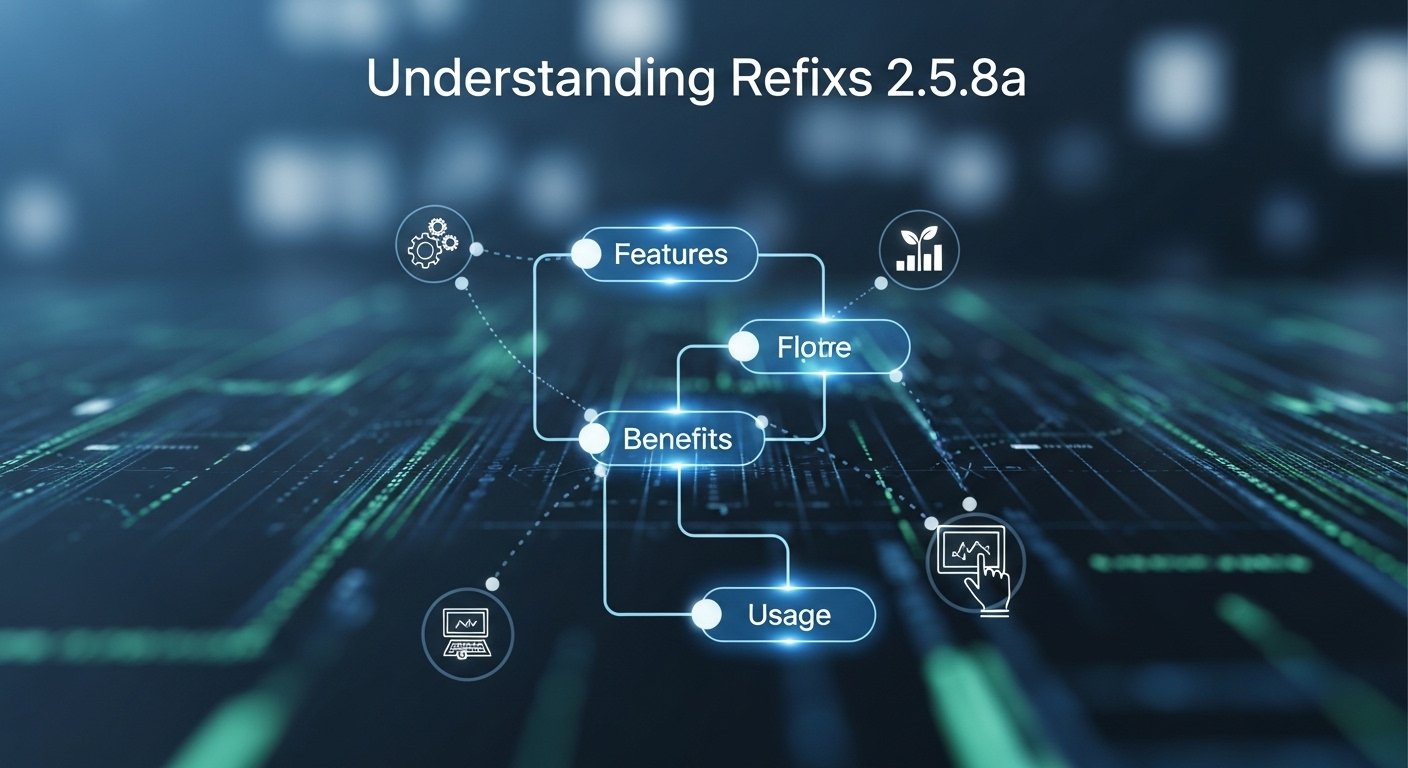
In today’s rapidly evolving tech landscape, software updates play a critical role in ensuring devices and applications remain efficient, secure, and user-friendly. One such update gaining attention in specialized tech circles is refixs2.5.8a. This update has been designed to address specific performance gaps while introducing enhancements that streamline user experience and system functionality. In this article, we explore the core features of refixs2.5.8a, its practical applications, and why it’s becoming an essential tool for tech-savvy users.
Key Features of refixs2.5.8a
The refixs2.5.8a update comes with a suite of features aimed at improving both system stability and overall performance. One of its standout attributes is enhanced optimization, which allows software applications to run more smoothly with reduced lag. Users have reported noticeable improvements in processing speed and response times after implementing refixs2.5.8a.
Security is another critical aspect of this update. With cyber threats becoming increasingly sophisticated, refixs2.5.8a integrates stronger protective protocols, reducing vulnerabilities and ensuring sensitive data remains secure. Additionally, this update introduces more flexible configuration options, allowing users to customize system behavior according to their unique needs without compromising performance.
Performance Enhancements
Performance is at the heart of refixs2.5.8a. This update focuses on optimizing system resources to ensure applications function seamlessly even under heavy workloads. For instance, memory management improvements prevent excessive resource consumption, which often leads to slowdowns or crashes. Users have observed faster boot times and smoother multitasking capabilities after upgrading.
Another significant performance enhancement is related to compatibility. refixs2.5.8a ensures that older applications can run efficiently alongside newer programs, minimizing conflicts and reducing the need for constant troubleshooting. This backward compatibility is particularly valuable for users who rely on legacy software for specialized tasks.
User Experience Improvements
Beyond technical performance, refixs2.5.8a prioritizes user experience. The interface adjustments introduced in this update make navigation more intuitive and responsive. Menus and control panels have been restructured to provide faster access to frequently used features. Moreover, the update reduces system errors and unexpected crashes, allowing users to complete tasks without interruption.
For professionals working in high-demand environments, these improvements are invaluable. The update supports smoother workflows, enhanced productivity, and minimal downtime. Whether it’s managing multiple software applications or running complex simulations, refixs2.5.8a ensures that performance remains consistent and reliable.
Installation and Compatibility
Installing refixs2.5.8a is straightforward. Users should ensure their devices meet the minimum system requirements before initiating the update. Once downloaded, the installation process guides users step by step, reducing the risk of errors during setup. Regular users, as well as IT professionals, can benefit from the clear instructions and automated checks provided during the installation.
Compatibility is another area where refixs2.5.8a excels. It supports a wide range of operating systems and software environments, making it versatile for both individual users and organizations. Its adaptability ensures that updates can be implemented without disrupting existing workflows or requiring extensive system overhauls.
Conclusion
In conclusion, refixs2.5.8a represents a meaningful advancement in software updates, combining performance, security, and user experience enhancements into a single package. Its focus on optimization, compatibility, and system reliability makes it a must-have for users seeking a smoother, more efficient digital environment. By integrating refixs2.5.8a, users not only benefit from immediate improvements but also position their systems to handle future demands with greater resilience.