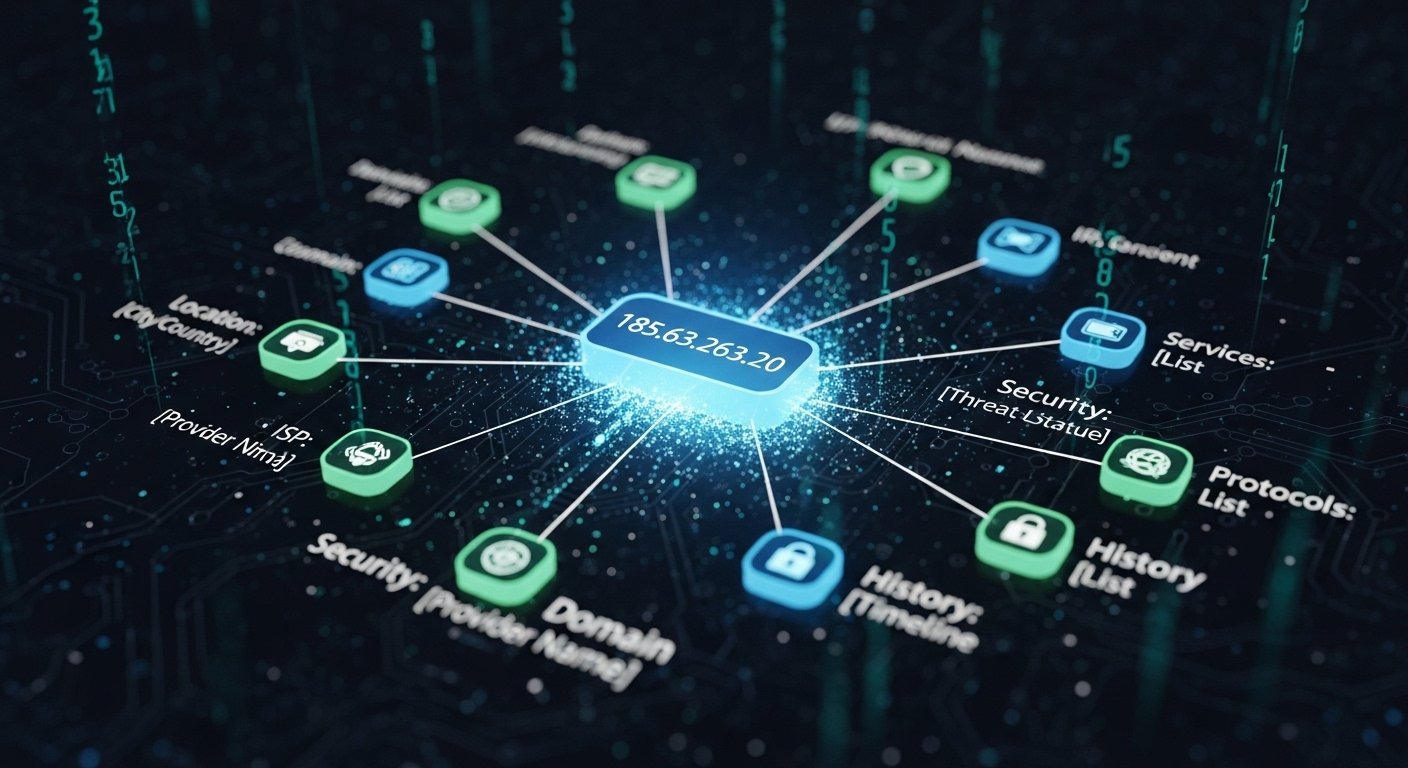
The IP address 185.63.263.20 has been appearing more frequently in various online forums, logs, and cybersecurity reports. Understanding what this IP represents, how it operates, and the potential risks or uses associated with it is crucial for businesses, IT professionals, and everyday internet users. In this guide, we will break down everything you need to know about 185.63.263.20, from its location to security considerations and best practices for handling IP-related issues.
What Is 185.63.263.20?
An IP address is a unique identifier assigned to devices connected to a network. 185.63.263.20 functions as an address that helps computers and servers communicate across the internet. While it may seem like just a string of numbers, it carries valuable information about the server’s network, location, and internet service provider. Proper understanding of 185.63.263.20 allows users to identify traffic sources, detect unauthorized access, and troubleshoot connectivity issues.
Location and ISP Insights
Determining the location of 185.63.263.20 can provide insights into the network’s origin. IP addresses are often mapped to regions, countries, and ISPs (Internet Service Providers). Businesses use this information for targeted marketing, while security teams track potential threats or unusual activity. Although the exact physical location of 185.63.263.20 may vary slightly due to network routing, its associated ISP and general region can typically be identified through standard IP lookup tools.
Common Uses of 185.63.263.20
185.63.263.20 can serve multiple purposes depending on the network it belongs to. In corporate environments, it may be part of a data center or web hosting service. Many websites and online platforms rely on static IPs like 185.63.263.20 for stable server connections. Additionally, cybersecurity analysts often monitor IP addresses like this to detect potential malicious activity, including hacking attempts, bot traffic, or spam.
Security Considerations
Monitoring IP addresses such as 185.63.263.20 is critical for maintaining online security. Malicious actors may use specific IPs to launch attacks, attempt unauthorized access, or distribute malware. Organizations often implement firewalls and intrusion detection systems that track IP activity patterns to mitigate these risks. Understanding how 185.63.263.20 interacts with your network helps prevent security breaches and ensures safer internet usage.
How to Track and Analyze 185.63.263.20
For IT professionals and enthusiasts, tracking 185.63.263.20 involves several techniques. Tools such as IP lookup services, network analyzers, and traffic monitoring software can reveal data about server performance, geographic location, and traffic behavior. Regular analysis of 185.63.263.20 helps maintain network health, optimize routing, and identify unusual access attempts. Businesses can also leverage this data to enhance cybersecurity and improve user experience.
Troubleshooting Network Issues with 185.63.263.20
Network issues often trace back to specific IP addresses. If your system experiences slow connections or unexpected errors, 185.63.263.20 could be part of the investigation. Steps include pinging the IP to test connectivity, running traceroutes to understand routing paths, and checking firewall or server configurations. By systematically analyzing 185.63.263.20, IT teams can resolve technical problems efficiently, ensuring minimal downtime.
Conclusion
Understanding 185.63.263.20 is more than a technical exercise—it is essential for network management, cybersecurity, and online reliability. Whether you are an IT professional, a business owner, or a casual user, knowing how to track, analyze, and secure interactions with this IP address empowers you to maintain safer and more efficient digital operations. By staying informed about 185.63.263.20, you can proactively address network issues, enhance security, and leverage its data responsibly.