Introduction
The internet functions through a vast network of interconnected devices, each identified by a unique numerical label known as an IP address. One example of such an address is 264.68.111.161. While many users encounter numbers like this in server logs, network settings, or security alerts, few truly understand what they represent. Learning about 264.68.111.161 can help clarify how internet communication works and why IP addresses play such a critical role in online connectivity. Whether you are a website owner, network administrator, or simply curious about internet infrastructure, understanding addresses like 264.68.111.161 provides valuable insight into how data travels across digital networks.
What Is an IP Address?
An IP address, or Internet Protocol address, is a unique identifier assigned to devices connected to a network. These devices may include computers, servers, smartphones, routers, or IoT devices. The purpose of an IP address is to allow devices to locate and communicate with one another across the internet.
Addresses such as 264.68.111.161 follow a numeric format designed to organize and route internet traffic efficiently. When you visit a website or send data online, your device uses an IP address to identify both the source and destination of the information being transmitted. Without this system, the internet would not be able to function as a structured communication network.
Every time a user loads a webpage, the request travels through several servers until it reaches the correct destination. During this process, IP addresses like 264.68.111.161 help ensure that the request reaches the correct server and that the response returns to the appropriate device.
Structure of an IP Address
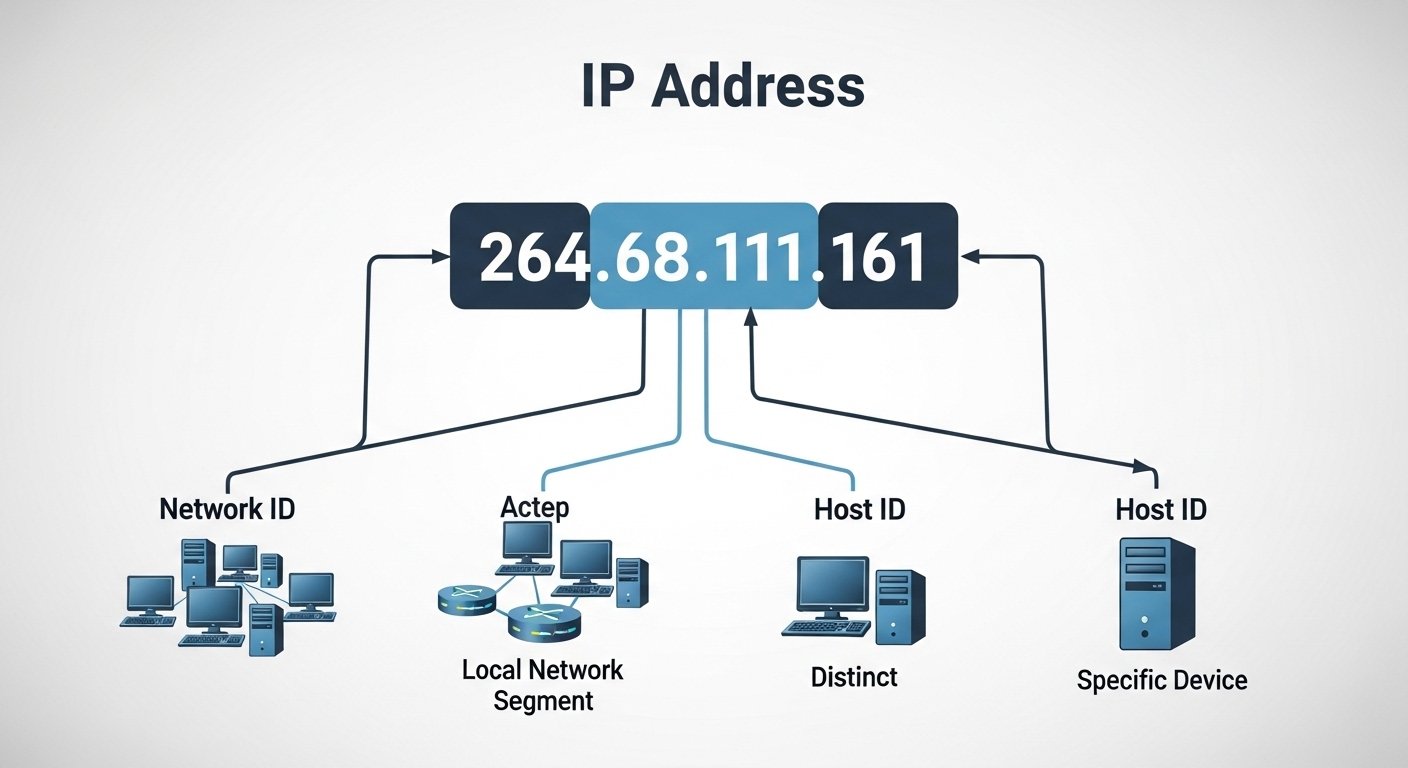
IP addresses are typically written as four numbers separated by periods. Each number represents a segment of the address and helps determine the network location of the device.
For example, in 264.68.111.161, the numbers represent different parts of the addressing system used to identify the network and host. This structure allows internet routers to read and forward data packets correctly. Routers analyze these segments to decide where information should be sent next, ensuring that online communication remains efficient and accurate.
Although the concept may appear simple, the addressing system is supported by complex networking protocols that manage billions of connected devices worldwide.
Why IP Addresses Matter in Networking
IP addresses serve as the backbone of digital communication. Without them, it would be impossible to send or receive information across the internet. When devices connect to networks, they rely on these identifiers to maintain organized communication channels.
In networking environments, an address such as 264.68.111.161 may appear in system logs, firewall records, or connection reports. Administrators often analyze such addresses to track traffic patterns, troubleshoot connectivity problems, or identify potential security risks.
Understanding how addresses like 264.68.111.161 function can also help website owners manage hosting environments, monitor server activity, and maintain stable online services.
Security Implications of IP Addresses
IP addresses are also important in the field of cybersecurity. Security systems monitor network activity and track suspicious behavior through IP records. If unusual traffic originates from a particular address, administrators may investigate or restrict access.
For instance, if 264.68.111.161 appears repeatedly in failed login attempts or suspicious traffic patterns, it could trigger security alerts. Monitoring these patterns helps organizations detect threats early and prevent potential breaches.
Firewalls, intrusion detection systems, and server monitoring tools all rely heavily on IP data to maintain network safety. By analyzing addresses such as 264.68.111.161, security professionals can identify malicious activity and take appropriate action.
IP Addresses in Website Hosting
Website hosting also relies heavily on IP addresses. When a domain name is entered into a browser, the system converts the domain into its corresponding IP address through a process known as DNS resolution.
In some cases, users or administrators may see addresses like 264.68.111.161 while configuring servers or reviewing DNS settings. Although visitors typically interact with domain names rather than numerical addresses, the underlying network still depends on IP-based routing.
Server administrators often monitor IP traffic to maintain performance and prevent overload situations. By analyzing addresses like 264.68.111.161, they can better understand where requests originate and how server resources are being used.
Troubleshooting Network Issues
Network diagnostics frequently involve analyzing IP addresses. When internet connections fail or websites become unreachable, administrators examine network routes and address assignments to locate the problem.
If an address such as 264.68.111.161 appears in error logs or connection attempts, it may indicate misconfigured routing, blocked connections, or incorrect server settings. Troubleshooting often includes checking network paths, verifying DNS records, and confirming proper device configuration.
Understanding how addresses operate allows technical teams to resolve connectivity problems more efficiently and maintain stable digital infrastructure.
The Evolution of Internet Addressing
The global internet continues to expand, with billions of devices requiring unique identifiers. Traditional IPv4 addressing systems are gradually being supplemented by IPv6, which provides a significantly larger pool of available addresses.
Despite this transition, IPv4-style addresses such as 264.68.111.161 remain widely recognized in many networking discussions. Learning how these addresses function helps individuals better understand the foundation of internet communication.
As technology evolves, the principles behind IP addressing will continue to support everything from cloud computing to smart devices and advanced networking systems.
Conclusion
IP addresses are fundamental to the operation of the internet. They allow devices to identify one another, exchange information, and maintain organized communication across global networks. An address like 264.68.111.161 may appear simple, but it represents an essential component of the digital infrastructure that powers websites, servers, and online services.
By understanding how 264.68.111.161 and similar addresses function, users gain insight into the mechanics of networking, cybersecurity monitoring, and server management. As the internet continues to grow and evolve, the importance of IP addressing will remain central to maintaining reliable and secure digital communication.